
Understanding Torrenting
Torrenting is often misunderstood, but it can be a fantastic way to share files online. The common question many have is, “Is torrenting safe?” The answer is nuanced. While some may misuse this method, torrenting itself is a legitimate peer-to-peer file-sharing technology that can be used responsibly. This guide aims to demystify torrenting and explore its various uses.
How Does Torrenting Work?
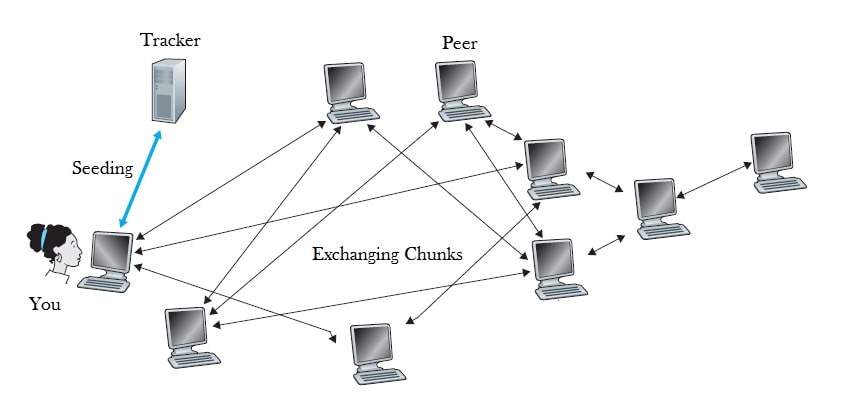
At its core, torrenting operates on a peer-to-peer (P2P) network, allowing users to share files directly without relying on a central server. When you download a file via torrent, you also help distribute it to others. Here’s a closer look at the process:
- Torrent Client: To initiate torrenting, you need a torrent client, such as BitTorrent or QBitTorrent.
- Torrent File or Magnet Link: These are must-have for identifying the file you wish to download. A torrent file contains information about the files shared on the network, while a magnet link offers a simpler URL format.
- Seeding: Every user who downloads a file becomes a seeder, allowing others to download chunks of the file from multiple sources, speeding up the process.
Torrenting vs. Traditional Downloading
Traditional downloading is straightforward but comes with limitations. When you download a file directly from a server, your connection is solely dependent on that server. If the server goes down or is slow, your download suffers. Here’s how torrenting differs:
- With torrents, files are broken into smaller pieces, allowing you to download from multiple sources simultaneously.
- Even if a connection is interrupted, you can resume downloading from where you left off without losing any data.
- Torrenting reduces the burden on individual servers, as files are shared among users rather than hosted centrally.
Why Do People Use Torrents?
Many users turn to torrenting for a variety of reasons:
- Open-Source Software: Developers often use torrents to distribute software more efficiently and cost-effectively.
- Educational Purposes: Universities use torrents for distributing large research files among students and staff.
- Game Updates: Many online games employ torrenting to handle updates and patches, alleviating server strain.
- Content Distribution: Companies like Microsoft use similar technologies for distributing Windows updates.
Is Torrenting Legal?
The legality of torrenting hinges on the type of content being shared. Torrenting isn’t inherently illegal; it’s how the technology is used that matters. Downloading copyrighted material without permission is illegal and considered piracy. Always be aware of your country’s copyright laws to avoid unintentional violations. You might also enjoy our guide on How to Create a Donor Portal in WordPress in Under 15 Minute.
Potential Risks of Torrenting
While torrenting offers many benefits, it’s major to be aware of the risks involved: (WordPress.org)
1. Malware
Users must be vigilant, as some torrent files may contain harmful malware. This type of software can compromise your computer’s performance and security. Always have a reliable antivirus program installed, and scan files before opening them.
2. Privacy Concerns
Though torrenting itself isn’t dangerous, it can expose your IP address to others on the network, making you a target for cybercriminals. To maintain your privacy, consider using a Virtual Private Network (VPN) that provides additional security measures.
3. Legal Action
Engaging in illegal torrenting can lead to legal consequences. Copyright holders monitor torrent networks and may take action against individuals sharing or downloading protected content. Familiarize yourself with your local copyright laws to ensure compliance.
Best Practices for Safe Torrenting
To maximize your torrenting experience while minimizing risks, follow these best practices: For more tips, check out 6 Automation Tricks to Reduce Churn on Your Membership Site.
- Use a VPN: This helps mask your IP address and encrypts your internet traffic, providing an added layer of security.
- Choose Reputable Sources: Always download torrents from trustworthy websites to avoid malware.
- Regularly Update Security Software: Keep your antivirus and anti-malware programs up to date to protect against threats.
- Read Comments and Reviews: Before downloading a torrent, check what others say about it to guard against harmful files.
Conclusion
Torrenting is a versatile technology that can be used for many legitimate purposes. Whether you’re sharing open-source software or distributing educational material, it’s vital to understand how to do so responsibly. By following safe practices and staying informed about legal repercussions, you can enjoy the benefits of torrenting without falling into common pitfalls. (Google Web.dev)
FAQs
1. Is torrenting illegal?
Torrenting itself isn’t illegal, but downloading copyrighted material without permission is considered piracy and can lead to legal issues.
2. what’s a torrent client?
A torrent client is software that allows you to download and share files via a torrent network, with popular options including BitTorrent and QBitTorrent.
3. How do I avoid malware when torrenting?
Always download from reputable sources, use a VPN, and scan files with antivirus software before opening them to minimize malware risks.
4. Can I use torrents for legal content?
Absolutely! Many developers and organizations use torrents for legitimate file sharing, such as open-source software or educational resources.
5. What precautions should I take when torrenting?
Use a VPN, keep your antivirus software updated, choose reliable torrent sources, and read user feedback before downloading.